

OFFERINGS


.JPG)
Welcome to Summer Solstice, or Litha as it is known within the Wheel of the Year. This sacred Quarter Day and lesser Sabbat marks the longest day and shortest night of the year in the Northern Hemisphere.
While Summer Solstice is often celebrated as the sun's highest peak and the fullness of light, it also carries a quieter wisdom. From this moment forward, the days slowly begin to shorten, and we are gently reminded that even at the height of illumination, the return of darkness has already begun.
As we sit with this ancient symbolism, we remember that the Wise Woman is always willing to journey deeper. She understands that growth is found not only in the light, but also in the shadows. With each spiral, each season, and each turn upon the Wheel of the Year, she awakens more fully to herself.
Summer Solstice has been celebrated across cultures for thousands of years. From sacred fires and feasting to music, dancing, and gathering in community, this festival of light honours life in its fullness.
The word solstice comes from the Latin words sol (sun) and sistere (to stand still). For several days, the sun appears to pause in its journey across the sky, creating a powerful threshold moment between expansion and return.
This is a time to allow the light to illuminate all that we are. It invites us to step into greater truth, open our hearts, and embody our authentic selves more fully.
Litha is a festival of radiant solar energy, creativity, passion, and vitality. Yet its deeper teachings invite balance rather than excess.
Fire encourages action, creation, courage, and transformation. Water invites feeling, intuition, softness, and reflection. Summer Solstice asks us to honour both.
Where is it time to move forward boldly?
Where is it time to soften, listen, and receive?
The wisdom of this season lies in knowing when to step forward and when to step back, allowing both fire and water to guide us in harmony.
As the Wheel turns, consider journaling with these questions:
Summer Solstice reminds us that life moves in cycles. Nothing remains fixed. Everything is in motion.
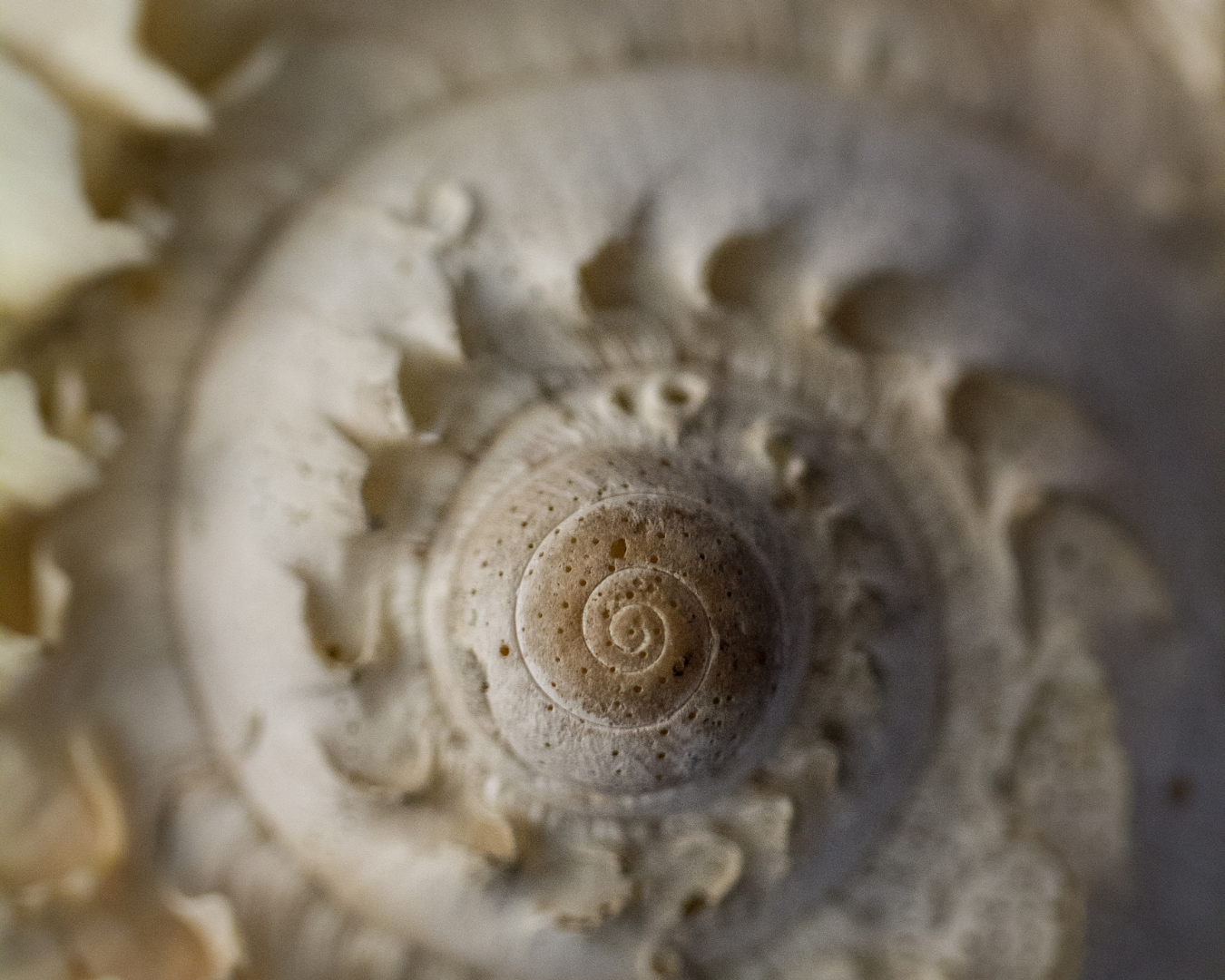
One of the ancient symbols associated with Litha is the wheel. In parts of Europe, celebrants would light a straw wheel and roll it down a hillside as a blessing for the land and the coming harvest. These were sometimes known as "wheels of fate," symbolizing the turning of destiny, the cycle of life, and the ever-moving Wheel of the Year.
Litha invites us to celebrate life in all its fullness. To honour what has blossomed. To welcome what is still becoming. And to trust the sacred turning of the wheel as it carries us into the next season of the soul.
Summer Solstice is rich with symbolism, ritual, and celebration, reflecting the abundance and vitality of the season.
The colours most often associated with Litha are yellow, gold, orange, and red—the radiant colours of the sun and flame. These hues remind us of the life-giving power of the sun at its peak and the warmth that nourishes the Earth during this season of growth.
Traditional Summer Solstice foods celebrate abundance and harvest. Fresh garden produce, honey, citrus fruits, edible flowers, and seasonal herbs all honour the generosity of the land and the sweetness of life.
Fire is one of the most important symbols of Summer Solstice and is central to many ancient midsummer celebrations. In Celtic traditions, fire was revered as a source of purification, protection, and blessing.
On Midsummer's Eve, two ceremonial fires were sometimes lit: one of Oak wood, representing the light half of the year, and one of Holly, representing the dark half. Together they honoured the eternal dance between light and shadow that governs the turning of the Wheel.
Leaping over the sacred fire was believed to bring abundance, fertility, good fortune, and protection for the months ahead. Fire ceremonies also served as a way to release what was no longer needed and welcome the blessings of the coming season.
The Oak and Holly trees hold special significance at Summer Solstice.
The Oak, known as Duir in the Ogham tree alphabet, is the sacred tree of strength, wisdom, endurance, and illumination. It is associated with the Oak King, who rules the waxing half of the year, from Winter Solstice to Midsummer.
Mistletoe gathered from the Oak at Summer Solstice was traditionally considered especially potent, carrying the blessings and vitality of the sun at its greatest strength.
The Holly tree, by contrast, represents the darkening half of the year. Associated with protection, resilience, and the mysteries of the unseen world, Holly is linked to the Holly King, who reigns from Summer Solstice until Midwinter.
Together, the Oak King and Holly King embody one of the deepest teachings of the Wheel of the Year: that light and darkness are not enemies, but partners in an eternal cycle of balance, renewal, and transformation.

Summer Solstice is a powerful time to pause, celebrate, and consciously align with the energies of abundance, vitality, and transformation. Here are a few meaningful ways to honour Litha and welcome the blessings of the season.
Summer Solstice has long been considered one of the most potent times for harvesting medicinal and magical plants. The herbs are at the height of their growth, infused with the vitality of the sun and the fullness of the season.
Spend time gathering herbs from your garden or the wild places you know well. This is an ideal time to harvest plants for tinctures, teas, salves, oils, and other herbal preparations that will support you throughout the year ahead.
Fire is both a symbol of illumination and transformation.
Create a list of habits, fears, beliefs, patterns, or attachments that you are ready to release. As part of your Summer Solstice ceremony, offer the paper to a sacred fire and allow the flames to transform what is complete.
If you have access to Holly wood, you may wish to incorporate it into the ritual as a symbolic offering to the dark half of the year that now begins its gradual return.
Historically, Litha was a traditional season for handfasting ceremonies and sacred unions.
You might choose to adapt this symbolism inward by creating a personal ritual that honours the union of your inner masculine and feminine energies. Consider weaving roses into your ceremony as symbols of devotion, beauty, wholeness, and the heart's wisdom.
Spend time reflecting on where action and receptivity, strength and softness, giving and receiving are seeking greater harmony within your life.
Create a simple Summer Solstice herbal infusion by placing fresh herbs into a glass jar filled with spring water and allowing it to rest in the sunlight throughout the day.
As the sun's warmth gently infuses the water, allow your intentions to steep alongside the plants. Some traditions leave their sun tea to charge for several days, creating a beautiful ritual of connection with both the solar and plant kingdoms.
Litha is an ideal time to cleanse, refresh, and rededicate your altar space.
If possible, position your altar where it can receive direct sunlight during the days surrounding Solstice. Decorate it with symbols of the season, including:
As you arrange your altar, honour the fullness of the sun's energy while also acknowledging the sacred turning toward the darker half of the year. In this balance between light and shadow, Summer Solstice offers one of its greatest teachings: that every ending is also a beginning, and every peak contains the seed of transformation.
Blessings and Happy Summer Solstice!
.png)
.avif)

.avif)


%20(1).png)
.png)
.avif)
.avif)


.jpg)

.avif)
